
Europe Is Leaving Its Carbon Potential in the Field
Marie-Lou Manca
Sustainability Expert
Published
6 May 2026
There are 5.79 million small farms in Europe. They steward some of the continent's most biodiverse landscapes and feed local communities. Yet the majority of them cannot access a single euro from carbon markets.
That is not a coincidence. It is a design flaw -and one that a growing community of farmers, researchers, buyers, and policymakers are working urgently to fix.
A Market Built for Scale - Not for Europe's Farming Reality
When the European Commission developed its Carbon Removal Certification Framework (CRCF), the ambitions were right. But the mechanisms largely bypassed small-scale operations - those under 5 hectares, which represent 64.3% of all EU farms. Measurement and verification costs are too high, administrative processes too complex, and credit volumes too small to attract buyers.
The farms most capable of delivering regenerative, biodiversity-rich carbon projects remain on the outside of a market that was supposed to accelerate the EU's climate transition.
What Happens When You Put 20+ Experts in a Room?
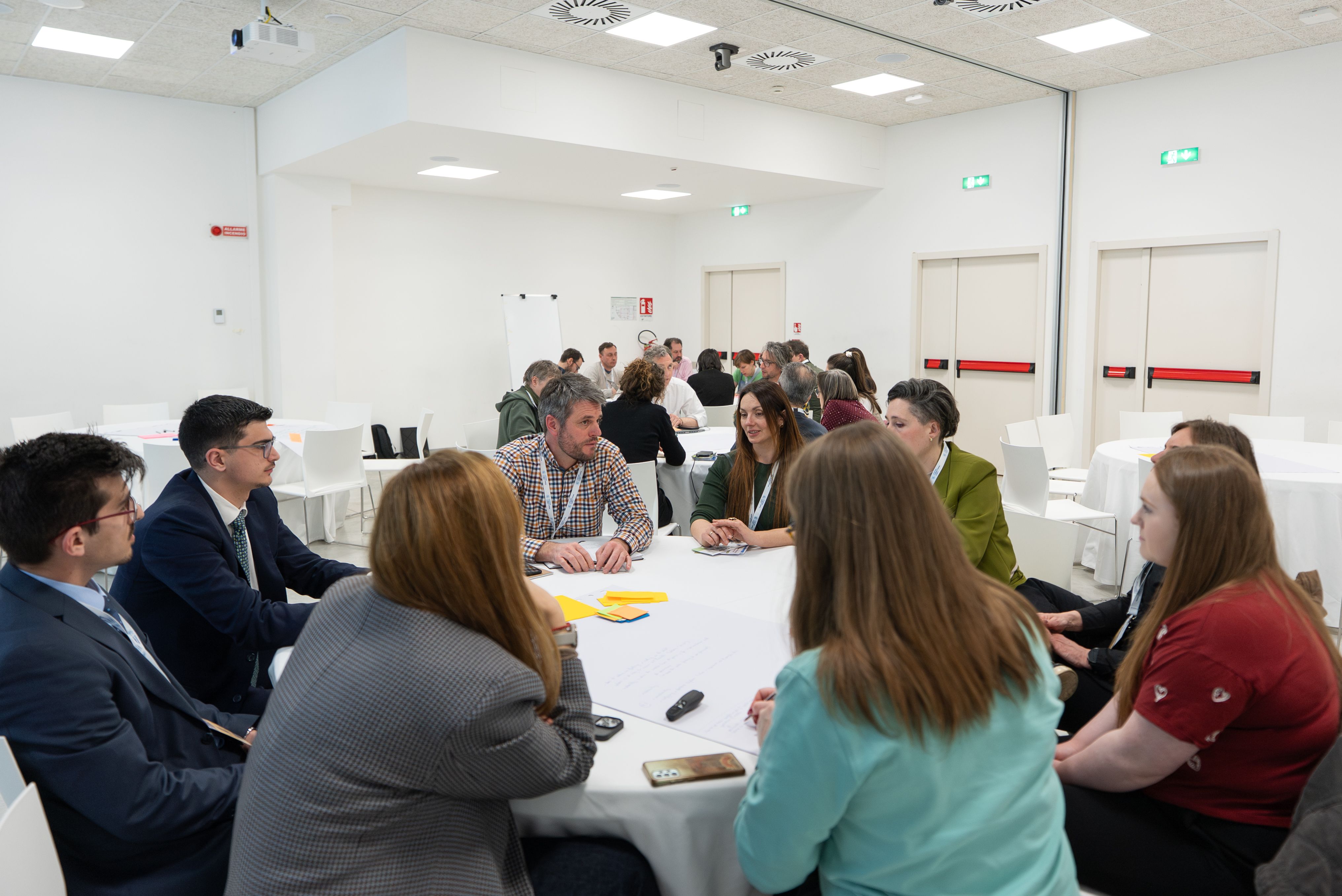
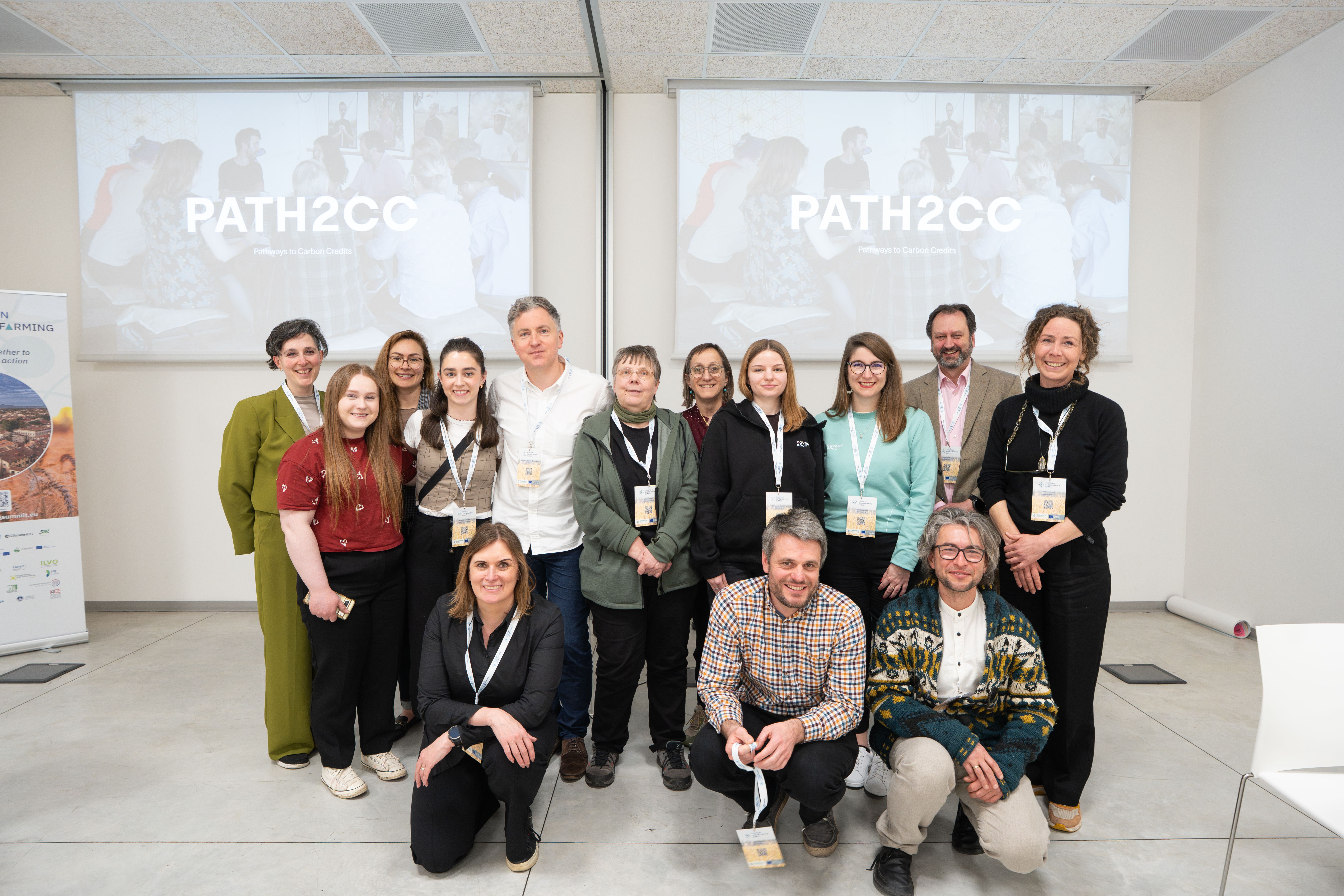
In March 2026, the PATH2CC consortium hosted a workshop at the European Carbon Farming Summit in Padua, Italy. Over 20 stakeholders gathered - farmers, farm advisors, scientists, MRV specialists, and corporate buyers - to tackle four of the hardest questions facing the sector:
- How can carbon markets be made financially viable for small farms?
- How can we ensure the quality and credibility of carbon credits and certification?
- How can we attract buyers for premium-quality, locally generated European credits?
- What types of credits should we prioritise - carbon, biodiversity, water, or community-based?
The Findings Are Not What You Might Expect
Some of what emerged confirmed long-standing concerns - transaction costs are prohibitive, data governance is a minefield, and trust between farmers and buyers is fragile. But the workshop also surfaced perspectives that challenge conventional thinking.
Three clear recommendations emerged, targeted at distinct audiences across the value chain, and grounded in the practical realities of European farming - not abstract market theory.
Why This Work Matters
Small farms are not just a rural policy issue. They sit at the intersection of Europe's food security, its biodiversity commitments, and its path to climate neutrality. Locking them out of carbon markets does not just hurt farmers - it weakens the entire system. It leaves buyers without access to high-integrity, locally traceable credits. It slows the transition to regenerative agriculture. And it widens the gap between EU climate ambitions and on-the-ground agricultural realities.
Getting this right matters for everyone: for the farmers who need viable new income streams, for the companies seeking credible sustainability commitments, and for Europe's ability to build a food system that is both resilient and climate-positive.
The Full Picture Is in the White Paper
Inside, you will find the complete workshop outcomes, the data and perspectives that shaped them, and the three prioritised recommendations -each with specific actions and a clearly defined target audience. It is free to access.
Download your copy of Unlocking European Small Farms' Access to Carbon Markets - insights from 20+ experts who worked through the questions the sector has been avoiding.
[Register for free to download the white paper →]
This white paper was produced by the PATH2CC consortium as part of the European Carbon Farming Summit 2026 in Padua, Italy. PATH2CC is co-funded by EIT Food and brings together ELEKS, Juntos Farm, Molokia, Queen's University Belfast, University of Helsinki, and University of Reading.
Get in touch to discuss your goals with our experts

©2026 COVERE², All rights reserved