
Viikki Research Farm: The Power of Double Materiality
Marie-Lou Manca
Sustainability Expert
Published
17 July 2025
In the heart of Helsinki lies Viikki Research Farm - a unique hub where cutting-edge agricultural research, education, and sustainability intersect. As part of the COVERE² initiative, a comprehensive Double Materiality Assessment (DMA) was recently completed at Viikki, delivering an in-depth snapshot of the farm’s sustainability performance and readiness for future challenges.
So, what did we learn?
120 Impacts, Risks & Opportunities - 91 Are Material
The assessment identified 120 Impacts, Risks, and Opportunities (IROs). A striking 91 were deemed material, meaning they’re relevant: they matter strategically. Most of these were positive impacts, particularly in the social domain, with strong outcomes for:
- Own workforce: secure jobs, decent wages, and a safe working environment.
- Local communities: food security, public access to nature, and sustainability education.
- Governance: strong animal welfare and ethical practices.
Climate: The Biggest Risk and Opportunity
Unsurprisingly, climate change was a dominant theme.
- On the risk side: livestock-related emissions and the need to comply with stricter climate regulations.
- On the opportunity side: Viikki is well-positioned to lead in climate-smart agriculture, from carbon farming to agroecological research.
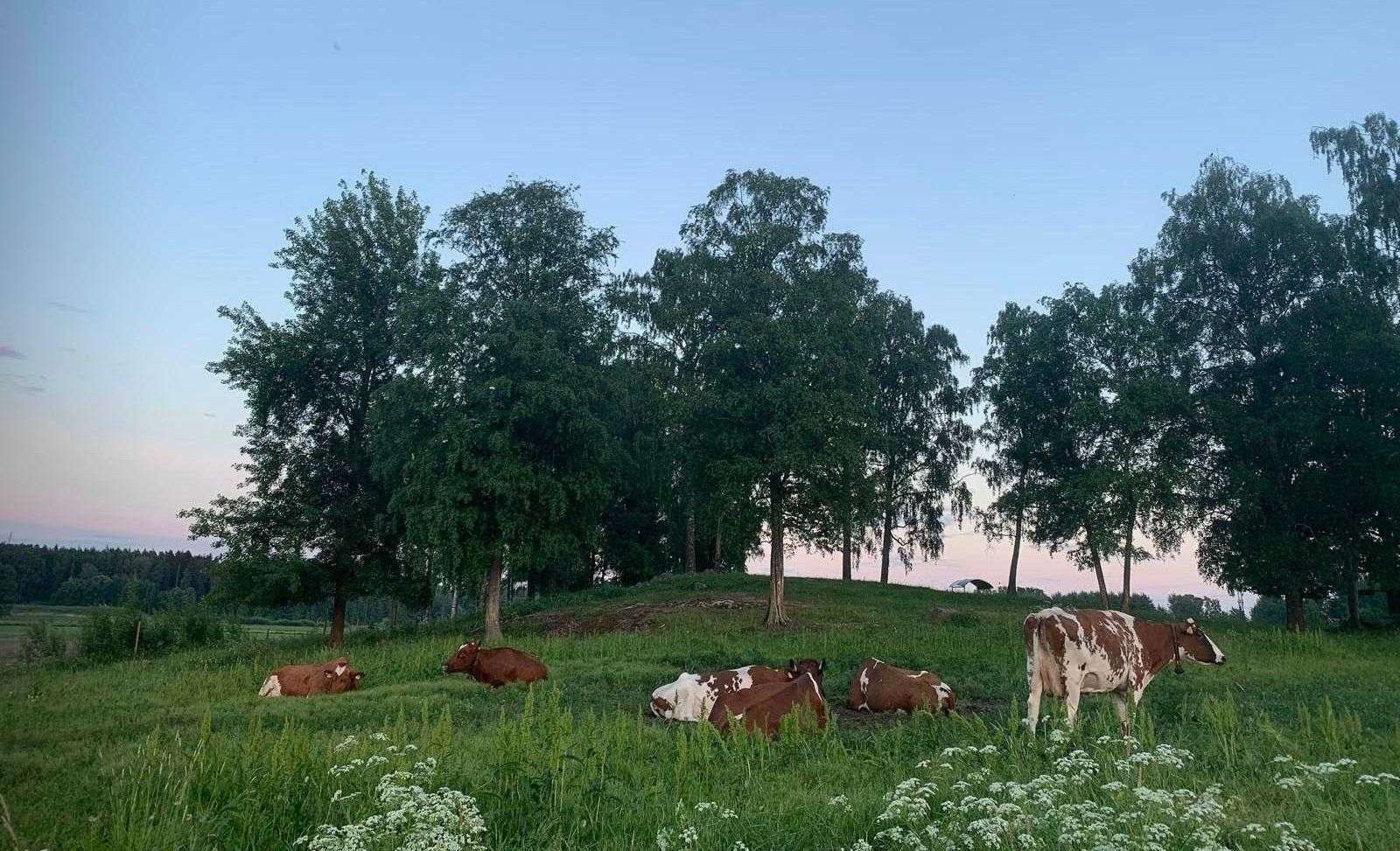
The farm’s dual role as both a producer and a research platform offers a unique advantage. It can test, adapt, and scale innovative practices, from sustainable crop rotations to methane measurement and beyond. Negative environmental impacts center around Climate Change and Pollution, primarily from livestock emissions, fuel use, and waste.
Circular Economy: Good Start, Room to Grow
The farm already shows good practices in waste management. For example, 100% of manure is reused as organic fertilizer, improving soil health. But there's still work to be done in phasing out single-use plastics and tapping into biogas opportunities to turn waste into energy.
Value Chain Gaps Need Closing
While internal operations are strong, the supply chain presents vulnerabilities. Fertilizer suppliers and downstream partners (like slaughterhouses) are not currently assessed for environmental or labor practices. This represents a reputational and compliance risk Viikki should tackle proactively, for example, by including sustainability clauses in contracts or requesting third-party certifications.
The Gap Analysis: Data Exists, But It's Fragmented
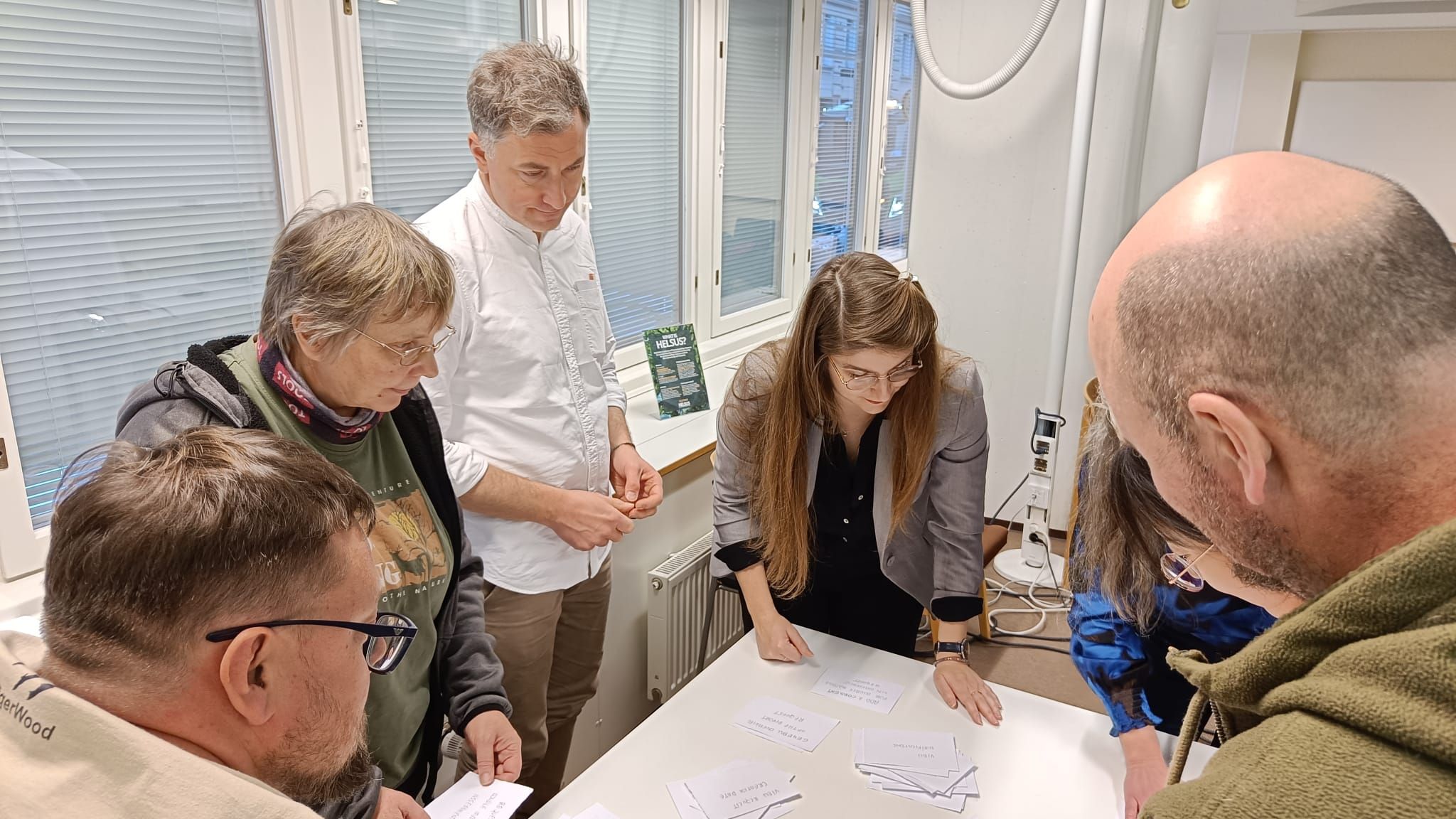
At COVERE², we’ve made the choice to complement the Double Materiality Assessment with a targeted Gap Analysis, providing farms with a concrete roadmap for improvement. This makes the results not only informative but also actionable, helping stakeholders prioritise what matters most in the year ahead.
The initial gap analysis showed promising signs: many key topics already have documentation or metrics in place, particularly around climate, pollution, and governance. But coverage is often partial or scattered, especially on value chain labor rights and community engagement.
Key Recommendations at a Glance
- Strengthen Mitigation Practices and Capitalize on Climate Opportunities, such carbon farming and certification schemes to generate new revenue streams.
- Strengthen supply chain due diligence: Add ESG criteria to supplier contracts.
- Cut single-use plastics: Find biodegradable alternatives.
- Engage the community: Launch open days, feedback tools, and visibility campaigns.
- Position Viikki as a Living Lab: A showcase for climate-resilient, data-driven agriculture.
Why This Matters
Viikki Research Farm is not your average agricultural operation. As part of the University of Helsinki, it stands at the intersection of science, education, and sustainability. The DMA shows that it already plays a leading role in climate-smart agriculture, but it also highlights where focused improvements can take that impact even further.
With tightening regulations like the CSRD and rising public expectations, farms like Viikki that embrace transparency, innovation, and stakeholder engagement are setting the standard for what responsible agriculture should look like in Europe.
Dive into the full report here
Want to know more about the methodology or our results? Reach out, or better yet, come visit the farm!
Get in touch to discuss your goals with our experts

©2026 COVERE², All rights reserved