
Setting a New Standard in Energy Transparency: Power Flow Tracing at Juntos Farm
Marie-Lou Manca
Sustainability Expert
Published
16 July 2025
At COVERE², we're always seeking ways to bring more accuracy and impact to sustainability data and reporting. One of our most recent achievements is the Power Flow Tracing (PFT) analysis conducted at Juntos Farm in Ibiza, a collaboration powered by ELEKS' cutting-edge DAKAR grid simulation technology.
This initiative represents more than a technical exercise: it’s a concrete example of how we can make the carbon footprint of energy visible, location-specific, and actionable.
Why Power Flow Tracing?
Conventional certification schemes like Guarantees of Origin or Renewable Energy Certificates help companies claim renewable energy use. But these systems are detached from the physical realities of electricity flow: they are lacking the time- and location-based granularity needed for real accountability.
That’s where Power Flow Tracing comes in. By modeling how electricity physically moves through the grid and tracing emissions at the point of use, we gain accurate insights into the real carbon intensity of power consumption.
Highlighting its scientific robustness, a white paper by the Fraunhofer Institute for Applied Information Technology (FIT) analyses the effectiveness of ELEKS' Dakar technology and its Power Flow Tracing capabilities through a thorough comparison with established scientific methods.
Key Findings from Juntos Farm##
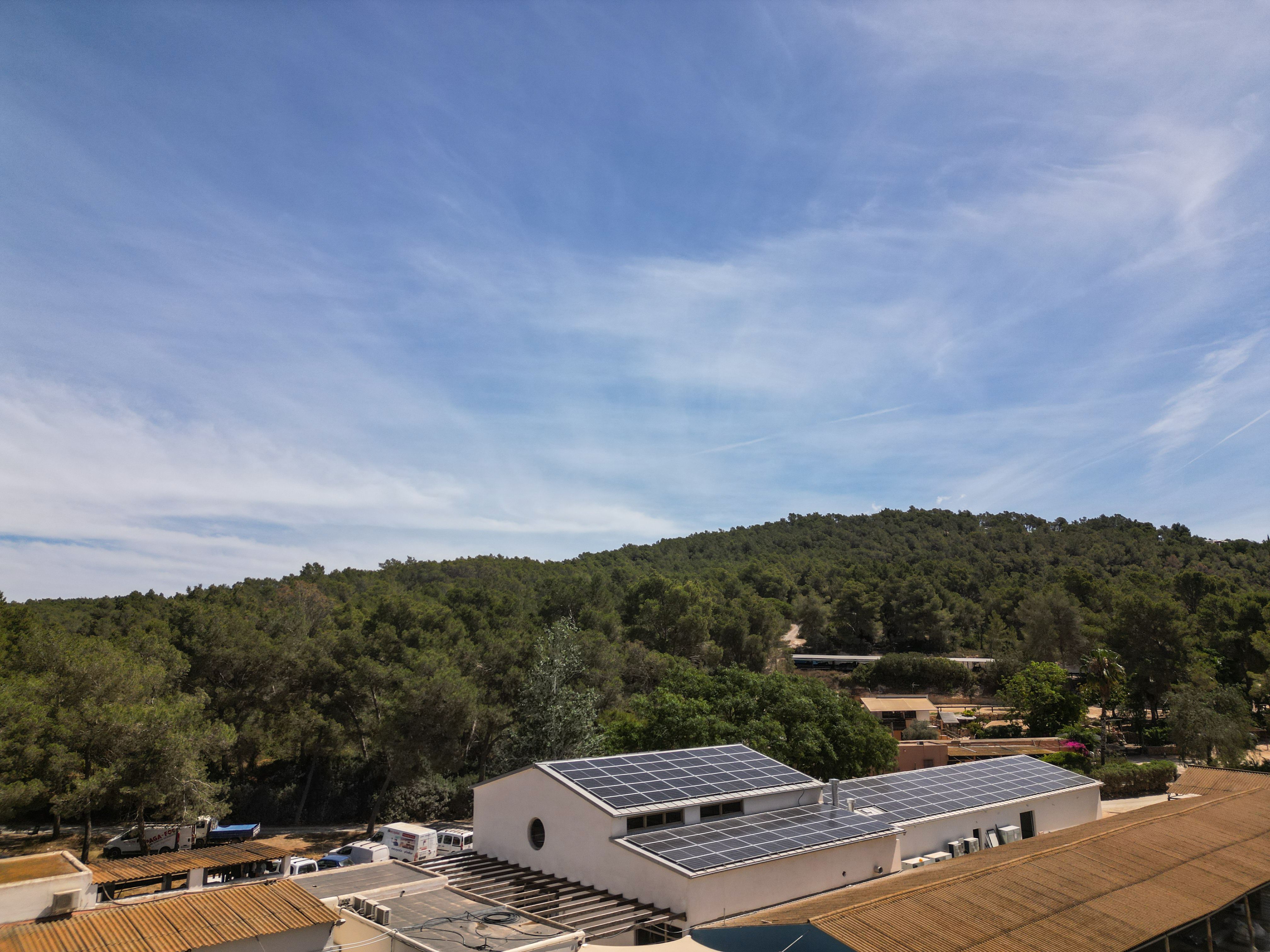
A full PFT assessment was performed at Juntos Farm using the ELEKS DAKAR technology for the month of June 2025. The goal was to measure the carbon intensity of the farm’s electricity, both when connected to the grid and when running on its rooftop solar power plant (67.2 kW capacity). Here’s what we found:
- The carbon intensity of grid-supplied electricity at Juntos Farm was 549.7 g CO₂/kWh, nearly double the national average of 293 g CO₂/kWh.
- This higher value reflects the real-time energy mix specific to the farm’s location, primarily from local gas-fired generation and imported power via Mallorca.
- When the farm operates using its full solar capacity, the carbon intensity drops to just 26 g CO₂/kWh: a 95% reduction in emissions.
- During peak daylight hours, solar output exceeded farm consumption, highlighting potential for energy storage or grid feed-in.
Why This Matters
These findings underscore how granular real data matters deeply in sustainability metrics. Without tools like PFT, companies risk underestimating their carbon impact by relying on generic national averages. It also informs efficient planning energy investments that actually reduce emissions.
What’s Next?
We're eager to expand this work with other farms and processors. If you're navigating CSRD compliance or aiming to refine your energy footprint, let’s talk. The COVERE² platform, backed by ELEKS’ technology and expert guidance, is here to support your journey toward impactful sustainability.
Read the complete report here. PFT Report at Juntos Farm VF1.pdf
Get in touch to discuss your goals with our experts

©2026 COVERE², All rights reserved